
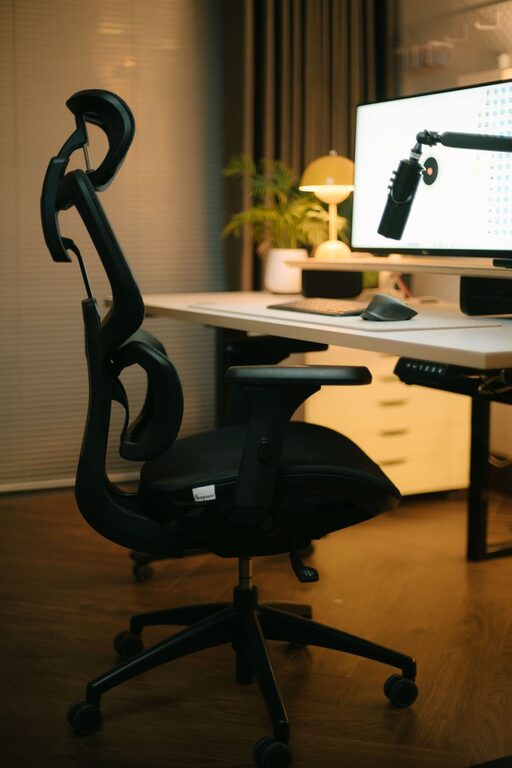
A comfortable desk chair is essential for anyone who spends long hours working at a desk. Whether you are working from home, in an office, or studying, the right chair can make a huge difference in your comfort, health, and productivity. Choosing the right desk chair may seem straightforward, but with so many options available, it’s important to know what features to look for.
In this article, we’ll share practical tips to help you pick a comfortable desk chair that supports your body and meets your needs.
Why Comfort Matters in a Desk Chair
Sitting for extended periods without proper support can lead to discomfort, back pain, and poor posture. A chair that fits your body and work habits helps reduce strain on your muscles and joints. This means you can focus better, feel less tired, and avoid developing long-term health issues.
Key Features to Look for in a Comfortable Desk Chair
1. Ergonomic Design
Ergonomics is the study of designing products to fit the user’s body. Look for chairs labeled as “ergonomic” or featuring adjustable components. These chairs are designed to support your spine’s natural curve and promote good posture.
2. Adjustable Seat Height
Your knees should be at or slightly below hip level when sitting. A chair with adjustable height allows you to position yourself properly relative to your desk and floor. This adjustment helps reduce pressure on your thighs and promotes good circulation.
3. Lumbar Support
Good lower back support is crucial. The lumbar area of the chair should fit the inward curve of your lower back. Some chairs come with built-in lumbar support, while others have adjustable pads. Proper lumbar support helps prevent slouching and reduces pressure on your spine.
4. Seat Depth and Width
The seat should be deep and wide enough to fit you comfortably. Ideally, you should be able to sit with your back against the backrest while leaving about 2–4 inches between the back of your knees and the seat edge. This gap prevents pressure on your thighs and supports circulation.
5. Comfortable Padding and Breathable Material
Look for chairs with sufficient padding that won’t flatten after long use. The seat and backrest material should be breathable to avoid sweating and discomfort. Mesh is a popular choice for breathability, while leather or fabric provide different feel options.
6. Adjustable Armrests
Armrests can reduce strain on your shoulders and neck by supporting your arms. Adjustable armrests that move up, down, in, and out allow you to customize their position for your comfort. When correctly positioned, your elbows should rest at about a 90-degree angle.
7. Swivel and Mobility
A chair that swivels and rolls easily makes it easier to reach different parts of your desk or workspace without straining. Make sure the chair’s wheels are suitable for your floor type, whether carpet or hard surfaces.
Additional Tips for Choosing the Perfect Desk Chair
Test the Chair Before Buying
If possible, try sitting in the chair for at least 10 to 15 minutes. Pay attention to how it supports your back, how the seat feels, and how easy it is to adjust. If buying online, check the return policy in case the chair doesn’t meet your expectations.
Consider Your Desk Height and Workspace Layout
A comfortable chair complements your desk height and work habits. For standing desks or adjustable desks, you may want a chair that also adjusts in height or can be used as a stool.
Budget and Quality Balance
Comfort doesn’t always mean expensive. Look for chairs with good reviews and ergonomic features that fit your budget. Investing in quality can save money and discomfort in the long run.
Maintenance and Durability
Choose a chair with materials that are easy to clean and durable. Well-made chairs can last years and continue to provide comfort without sagging or breaking.
How to Use Your Desk Chair for Maximum Comfort
Even the best chair won’t help if not used properly. Here are some tips for maintaining good posture:
– Sit all the way back: Use the backrest for support rather than sitting on the edge.
– Keep feet flat: Rest your feet on the floor or a footrest.
– Adjust armrests: Support your arms without raising your shoulders.
– Take breaks: Stand and move regularly to reduce stiffness.
Conclusion
Choosing a comfortable desk chair involves more than just picking a nice-looking seat. By focusing on ergonomic features like adjustable height, lumbar support, and proper cushioning, you can find a chair that supports your health and productivity. Take the time to try different options, consider your workspace needs, and invest in quality—your body will thank you.
With the right chair, working at your desk becomes a more pleasant and sustainable experience. Happy chair hunting!