
Reducing food waste at home is a practical way to save money, reduce your environmental impact, and make the most of the food you buy. Many people toss perfectly good food without realizing the small changes that can make a big difference. In this post, we’ll explore easy and effective methods to help you cut down on food waste in your daily routine.
Why Reducing Food Waste Matters
Before diving into tips, it’s helpful to understand why reducing food waste is important. Food waste contributes to unnecessary landfill waste and greenhouse gas emissions. It also means wasting the energy, water, and labor that went into producing that food. By reducing food waste, you’re not only saving money but also supporting a healthier planet.
—
Plan Your Meals Ahead
Make a Shopping List Based on Your Meals
One of the biggest causes of food waste is buying more food than you can use. Take time to plan your meals for the week and make a list based on these plans. Stick to your list when shopping to avoid impulse buys that might go uneaten.
Check What You Already Have
Before heading to the store, check your fridge, freezer, and pantry to see what ingredients you already have. Using these items first helps reduce waste and saves money.
—
Store Food Properly
Understand How to Store Different Foods
Some fruits and vegetables last longer when refrigerated, while others do better at room temperature. For example, keep apples in the fridge, but store bananas on the counter. Proper storage can extend the life of your produce.
Use Airtight Containers
After opening packages or buying fresh food, use airtight containers to keep food fresher longer and prevent spoilage and odors.
Keep an Eye on Expiration Dates
“Sell by,” “use by,” and “best before” dates can be confusing. In many cases, food is still safe to eat after these dates. Use your senses to check if food is still good and consider freezing items if you’re not ready to use them soon.
—
Smart Cooking and Serving
Cook Only What You Need
Try to prepare portions that suit your household size. If you have leftovers, plan to eat or repurpose them within a couple of days.
Repurpose Leftovers
Leftover vegetables can be added to soups or stir-fries, while stale bread can be turned into croutons or breadcrumbs. Being creative with leftovers can turn potential waste into delicious meals.
Use “Ugly” Produce
Don’t shy away from fruits and vegetables that don’t look perfect. These “ugly” items often cost less and have the same flavor and nutritional value.
—
Compost What You Can’t Eat
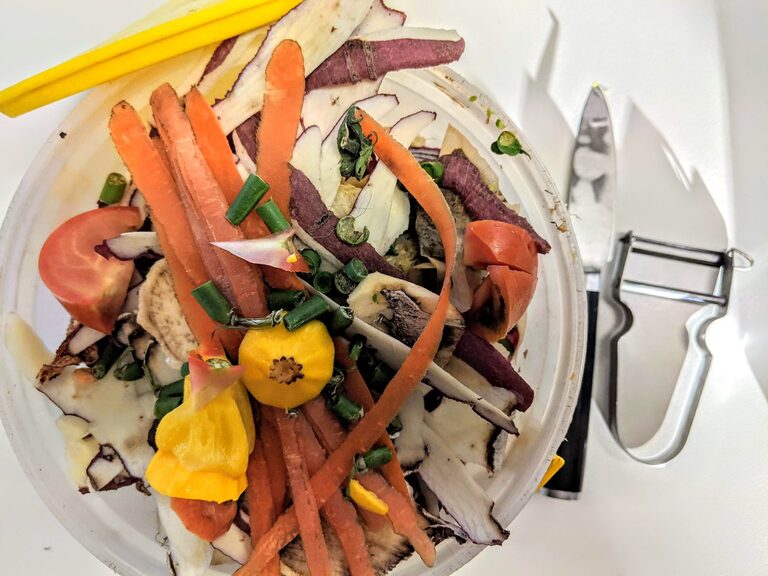
Even with the best efforts, some food scraps are unavoidable. Composting is a great way to reduce the amount of food waste that goes to the landfill and create nutrient-rich soil for your garden.
Start a Simple Compost Bin
You don’t need a big yard to compost. There are compact options for indoor and balcony composting. Vegetable peels, coffee grounds, and eggshells are good compost materials.
—
Tips for Preventing Food Waste in Specific Areas
Bread and Bakery
Freeze bread if you don’t plan to eat it within a couple of days. You can thaw it as needed without losing taste.
Dairy Products
Keep dairy in the coldest part of the fridge, usually the back, and avoid storing it in the door where temperatures fluctuate.
Fruits and Vegetables
Separate ethylene-producing fruits (like apples and bananas) from more sensitive produce to slow down ripening.
—
Involve the Whole Family
Make reducing food waste a family effort by educating everyone about the importance of waste reduction. Encourage kids to help with meal planning and storing leftovers, making it a fun and shared responsibility.
—
Final Thoughts
Reducing food waste at home doesn’t require a complete lifestyle overhaul. Small habits, like planning meals, proper storage, and creative use of leftovers, can add up to significant savings and environmental benefits. Start with a few changes and build up as you become more comfortable. Together, these steps can make your kitchen more efficient and sustainable.
By taking action today, you contribute to a healthier planet and a smarter way of living. Happy cooking and less wasting!