
Reducing food waste at home is a win-win: it saves money, reduces environmental impact, and helps promote mindful consumption. Many households throw away edible food due to poor planning, improper storage, or lack of awareness. Fortunately, small changes can make a big difference. Here are practical strategies you can start using today to cut down on food waste in your home.
Understanding Food Waste at Home
Before diving into solutions, it’s helpful to understand where food waste typically happens:
– Spoilage due to improper storage
– Preparing too much food
– Confusion over expiration dates
– Leftovers not being used timely
– Buying more than needed
By targeting these areas, you can significantly reduce the amount of food that ends up in the trash.
Plan Your Meals and Shopping
One of the easiest ways to reduce waste is to plan what you’ll eat in advance.
Create a Weekly Meal Plan
– List meals for the week, factoring in family preferences and schedules.
– Check your pantry and fridge to avoid buying duplicates.
– Use your plan to prepare an accurate shopping list.
Shop Smart
– Stick to your list to avoid impulse buys.
– Avoid bulk purchases unless you are sure you can use items before they spoil.
– Consider buying loose produce so you only get what you need.
Proper Storage Techniques
Storing food correctly extends its freshness and usability.
Fruits and Vegetables
– Keep fruits and veggies in designated drawers with appropriate humidity settings.
– Store ethylene-producing items (like apples and bananas) separately from sensitive produce (like leafy greens).
– Wash produce just before eating rather than before storing.
Leftovers
– Use airtight containers to keep leftovers fresh.
– Label containers with date and contents for easy identification.
– Freeze surplus meals that won’t be eaten within a few days.
Make Use of Leftovers Creatively
Leftovers don’t have to be boring or wasted.
Repurpose Meals
– Turn roasted vegetables into soups or salads.
– Use stale bread for croutons or breadcrumbs.
– Add leftover rice or grains to stir-fries or casseroles.
Share or Donate
– Invite neighbors or friends over to share extra food.
– Donate unopened, unexpired packaged foods to local food banks when possible.
Mindful Consumption Habits
Changing how you approach food daily can reduce waste.
Serve Smaller Portions
– Start with smaller servings and offer seconds if people are still hungry.
– This avoids uneaten food left on plates.
Practice First In, First Out (FIFO)
– Organize your pantry and fridge so older items are in front and used first.
– Regularly check dates and use items close to expiration.
Understand Dates on Packaging
– “Best by” and “Use by” dates often indicate quality rather than safety.
– Use your senses—smell, look, taste—to decide if food is still good.
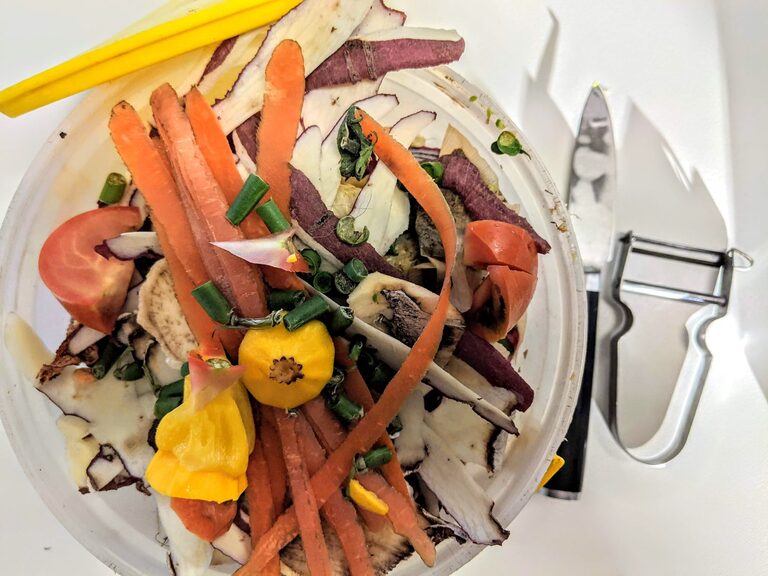
Compost What You Can’t Eat
Despite best efforts, some food scraps are unavoidable.
Start Composting at Home
– Collect vegetable peels, coffee grounds, eggshells, and other compostable materials.
– Use a backyard compost bin or an indoor compost container.
– Composting reduces landfill contributions and creates nutrient-rich soil for gardens.
Involve the Whole Family
Educating and involving everyone in the household spreads awareness and responsibility.
– Talk about the importance of reducing food waste at mealtimes.
– Challenge family members to suggest creative uses for leftover food.
– Assign small tasks like checking the fridge or organizing the pantry.
Conclusion
Reducing food waste at home doesn’t have to be complicated. With planning, proper storage, creative reuse, and thoughtful consumption, you can reduce waste, save money, and contribute to a healthier planet. Start with one or two changes and build from there — every bit helps!
—
Feel free to share your own tips or experiences with food waste reduction in the comments below!